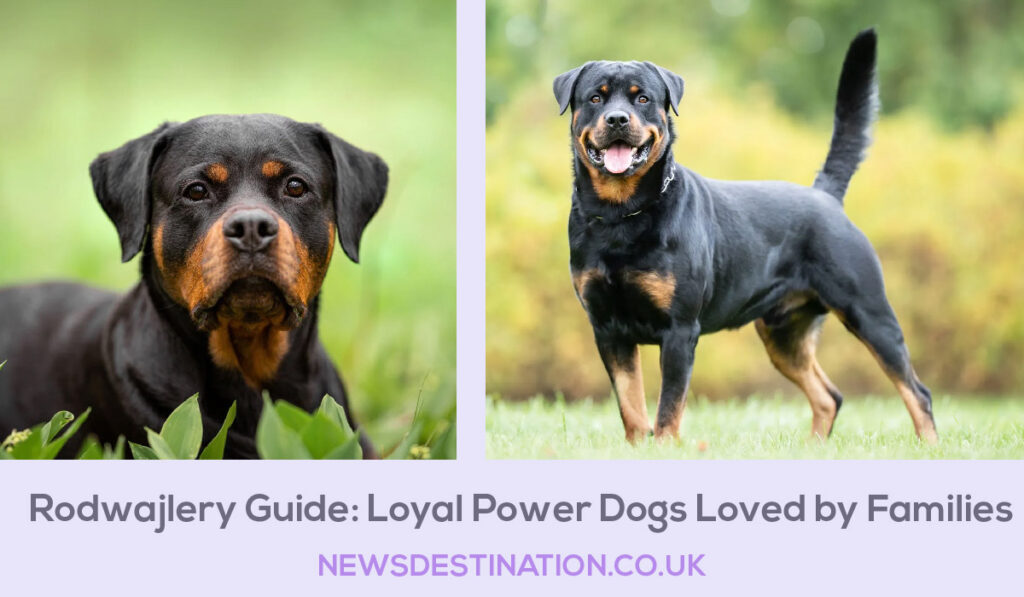
Rodwajlery is the Polish term for the well-known dog breed internationally referred to as Rottweilers. In Poland and other parts of Eastern Europe, this name is commonly used in everyday speech, advertisements, and online searches. While the pronunciation may differ slightly from its original German roots, the essence of the breed remains unchanged. Rodwajlery are powerful, loyal, and intelligent dogs that have built a global reputation over centuries. Known for their strength, protective nature, and versatility, they have earned respect both as working dogs and as beloved companions.
The Origin and History of Rodwajlery
The story of Rodwajlery begins over 2,000 years ago in the era of the Roman Empire. Roman soldiers required strong, reliable dogs to herd livestock, guard camps, and protect food supplies during their long journeys. These ancient dogs were likely mastiff-type canines that accompanied Roman legions across Europe. As the legions settled in parts of modern-day southern Germany, particularly in the town of Rottweil, these dogs interbred with local breeds, creating the foundation of the modern Rodwajlery. In Rottweil, the breed gained prominence as the “Rottweiler Metzgerhund” or Butcher’s Dog of Rottweil, tasked with herding cattle, pulling meat carts, and guarding the earnings of butchers. As time passed and industrialization reduced the need for such tasks, the breed nearly went extinct. However, its intelligence, strength, and work ethic revived its popularity in police, military, and rescue work. Today, Rodwajlery is recognized globally by organizations such as the AKC, FCI, and ADRK.
Physical Appearance and Traits of Rodwajlery
Rodwajlery are robust, medium-to-large-sized dogs that convey both strength and elegance. Males typically stand between 61 and 68 cm at the shoulder, while females are slightly smaller at 56 to 63 cm. Their weight ranges from 40 to 60+ kg, depending on sex, genetics, and physical condition. They have a short, dense, and weather-resistant double coat that is always black with clearly defined rust or mahogany markings. These markings appear on their cheeks, muzzle, chest, legs, and above the eyes, giving them a distinctive appearance. Rodwajlery possess a broad skull, strong jaws, and a confident, alert expression that reflects their intelligence and composure. Their muscular build and well-developed chest contribute to their agility and endurance, making them ideal for both work and companionship.
Personality and Temperament of Rodwajlery
Rodwajlery are often misunderstood due to their imposing presence, but those who know the breed understand that they are among the most loyal and affectionate dogs when raised correctly. Myths about aggression and unpredictability often stem from improper training and neglect. In truth, well-socialized Rodwajlery are calm, confident, and extremely loyal to their families. They possess a natural protective instinct, making them excellent guard dogs, but this trait should not be mistaken for aggression. These dogs are highly intelligent and enjoy learning new commands, excelling in obedience and agility tasks. They are affectionate with their human companions and can be gentle with children, especially when introduced to family life early. Their balanced temperament makes them suitable for a wide range of roles—from family pets to therapy animals and police K9s.
Training Rodwajlery the Right Way
Training is essential for every Rodwajlery. Their intelligence and strength make them highly trainable, but only with the right approach. Early socialization is critical; puppies must be introduced to different people, animals, and environments to grow into well-adjusted adults. Obedience training should begin as early as possible using positive reinforcement techniques such as praise, treats, and play. Rodwajlery respond poorly to harsh punishment; they require structured, consistent guidance from confident leaders. These dogs also thrive with advanced training such as agility courses, tracking, and even emotional support tasks. Common mistakes to avoid include being inconsistent, skipping socialization, and allowing them to become overprotective. Proper training ensures that Rodwajlery grow into obedient, composed, and reliable companions.
Health and Common Medical Issues in Rodwajlery
Like many purebred dogs, Rodwajlery are susceptible to specific health concerns. Their average lifespan is 8 to 12 years, although with excellent care, some may live longer. Common health issues include hip and elbow dysplasia, which can cause joint pain and mobility challenges. They are also at risk for heart conditions such as aortic stenosis, which affects blood flow and can lead to fatigue or heart failure. Bloat, or gastric torsion, is a life-threatening emergency where the stomach twists—immediate veterinary attention is essential. Osteosarcoma, a form of bone cancer, is also more common in large breeds like Rodwajlery. Obesity is another concern, especially in dogs with low activity levels. Preventing these issues involves regular vet visits, maintaining a healthy weight, and ensuring your dog gets enough physical activity and proper nutrition.
Nutrition and Diet for Rodwajlery
Feeding Rodwajlery a high-quality, balanced diet is crucial for their health and vitality. A diet rich in protein supports their muscular structure, while nutrients like omega-3 fatty acids and glucosamine help maintain joint health. Puppies have different dietary needs than adults or seniors, so it’s important to follow an age-appropriate feeding schedule. Premium commercial kibble specifically formulated for large breeds is often a safe and effective choice, but some owners opt for vet-approved homemade diets. Avoid overfeeding, as excess weight can exacerbate joint problems and lead to other health issues. Toxic foods such as chocolate, onions, grapes, and cooked bones must be avoided at all costs. Clean, fresh water should always be available.
Grooming and Maintenance Needs
Rodwajlery are relatively low-maintenance in terms of grooming, but they do benefit from routine care. Their short coat requires weekly brushing to reduce shedding and maintain skin health. During seasonal changes, more frequent brushing may be needed to manage increased shedding. Nail trimming should be done monthly to prevent overgrowth, discomfort, and potential injury. Dental hygiene is often overlooked but critically important—regular brushing or dental chews can prevent gum disease and bad breath. Bathing should be occasional, every two to three months, unless the dog becomes particularly dirty. Routine checks of ears and eyes help identify early signs of infection, ensuring that your Rodwajlery stays comfortable and healthy.
Rodwajlery and Family Life
When properly raised, Rodwajlery can be wonderful family dogs. They are naturally protective, forming strong bonds with their human companions. With early training and socialization, they can be patient and gentle with children, although supervision is always recommended, especially with toddlers. Introducing them to other pets from a young age increases the chances of harmonious multi-pet households. While they can adapt to apartment living, it’s essential to provide them with ample outdoor time and physical exercise. A fenced yard or regular access to parks helps satisfy their need for activity. Without regular interaction and stimulation, Rodwajlery may become bored or anxious. They thrive best in households that offer both companionship and structure.
Legal Considerations and Breed Restrictions
Due to their size and protective nature, Rodwajlery are sometimes subject to breed-specific legislation (BSL). In some countries or cities, they may be restricted, require special licensing, or even be banned. It’s important to research your local laws before bringing one home. For example, some U.S. states or housing communities may impose breed restrictions, while others may require additional liability insurance. In the UK and Poland, responsible ownership is emphasized, and local kennel clubs may require registration. Prospective owners should also consider pet insurance that covers large breeds, as medical costs for orthopedic or emergency care can be significant.
Rodwajlery in Poland – Cultural and Local Insight
In Poland, Rodwajlery are admired for their loyalty, beauty, and strength. Families often seek “Rodwajlery szczeniaki” (puppies) for companionship and protection. Ethical breeding is crucial, so potential buyers should look for certified “rodowód” (pedigrees) from registered breeders who prioritize health and temperament. Avoid backyard breeders or deals that seem too good to be true. While online searches for “Rodwajlery cena” (price) or “Rodwajlery za darmo” (free) are common, it’s vital to prioritize the dog’s welfare and background over cost. A well-bred and well-raised Rodwajlery is a lifelong investment that offers unmatched loyalty and companionship.
Myths vs. Facts About Rodwajlery
| Myth | Reality |
|---|---|
| They are always aggressive | Well-trained Rodwajlery are calm and affectionate |
| Not good with kids | Many live happily in family homes with children |
| Only good for guarding | They also serve in therapy, rescue, and emotional support roles |
| Can’t be trusted with strangers | With socialization, they behave well with guests and new people |
Should You Get a Rodwajlery?
Rodwajlery is ideal for individuals or families who can commit time and energy to their training, care, and exercise. The pros include their loyalty, intelligence, and adaptability. They are obedient when properly trained and form deep emotional bonds with their owners. However, they are not suitable for everyone. Cons include their need for structure, their potential for protective behavior, and their physical strength, which can be overwhelming for first-time dog owners. The best match for a Rodwajlery is an experienced dog owner, an active household, or someone seeking a reliable guardian. With the right environment, they become not just pets, but dedicated family members.
Final Thoughts
Rodwajlery are much more than powerful dogs with striking looks—they are intelligent, deeply loyal, and emotionally intuitive companions. Their journey from Roman drover dogs to modern family protectors showcases a breed that has adapted across eras while maintaining its core values of strength and loyalty. Choosing to welcome a Rodwajlery into your life means embracing a legacy of honor, responsibility, and devotion. When raised with love, respect, and training, Rodwajlery become lifelong guardians of both home and heart.
FAQs
1: What is a Rodwajlery?
Rodwajlery is the Polish word for Rottweiler, a strong and loyal dog breed known for its protective nature, intelligence, and devotion to family. They are popular in Poland and many countries around the world.
2: Are Rodwajlery aggressive dogs?
No, Rodwajlery are not naturally aggressive. When properly trained and socialized from a young age, they are calm, friendly, and affectionate. Aggression only appears if they are mistreated or poorly trained.
3: How big do Rodwajlery dogs get?
Rodwajlery are large and muscular dogs. Adult males usually weigh between 45–60 kg and stand 61–68 cm tall. Females are a bit smaller but still strong and powerful.
4: Are Rodwajlery good family pets?
Yes, Rodwajlery can be excellent family dogs. They are loving, protective, and great with children when raised in a kind and structured home. Supervision and training are important.
5: How long do Rodwajlery live?
Rodwajlery usually live for 8 to 12 years. With good food, regular exercise, and veterinary care, they can enjoy a long and healthy life as part of your family.
For more amazing news and celebrity bios, visit Newsdestination