Introduction
What if a creature could change color, see in two directions at once, and strike its prey faster than a blink? That’s not science fiction—it’s the everyday life of a member of the chameleónovité family. Known for their astonishing biological features and enigmatic presence, chameleónovité (the Slovak word for “chameleons”) have become one of the most iconic reptiles on the planet. These remarkable lizards captivate both scientists and animal lovers due to their camouflage abilities, arboreal lifestyles, and advanced hunting methods. With a natural elegance and evolutionary finesse, chameleónovité showcase nature’s brilliance in every move, color shift, and gaze.
This article offers a deep, informative look at these incredible animals—covering their taxonomy, biology, habitats, communication, reproduction, care, and conservation. Whether you’re a reptile enthusiast, biology student, or someone fascinated by nature’s complexity, this guide to chameleónovité reveals everything you need to know.
What Are Chameleónovité?
Chameleónovité is the biological family Chamaeleonidae, which includes over 200 species of color-changing lizards. The term “chameleónovité” is primarily used in Slovak-speaking regions, but it refers to the same group of reptiles known globally as chameleons. These lizards belong to the order Squamata and have evolved distinct features that separate them from other lizard families.
Chameleónovité are not just reptiles; they are finely-tuned examples of adaptive evolution, exhibiting complex biological systems that allow them to survive in a wide range of climates, from humid rainforests to arid mountain slopes. The family includes several genera such as Chamaeleo, Furcifer, Bradypodion, and Trioceros, each with unique traits and regional adaptations. Despite being scattered across Africa, Madagascar, Europe, and parts of Asia, all members of the chameleónovité family share common structural and behavioral characteristics that make them instantly recognizable.
Unique Physical Features of Chameleónovité
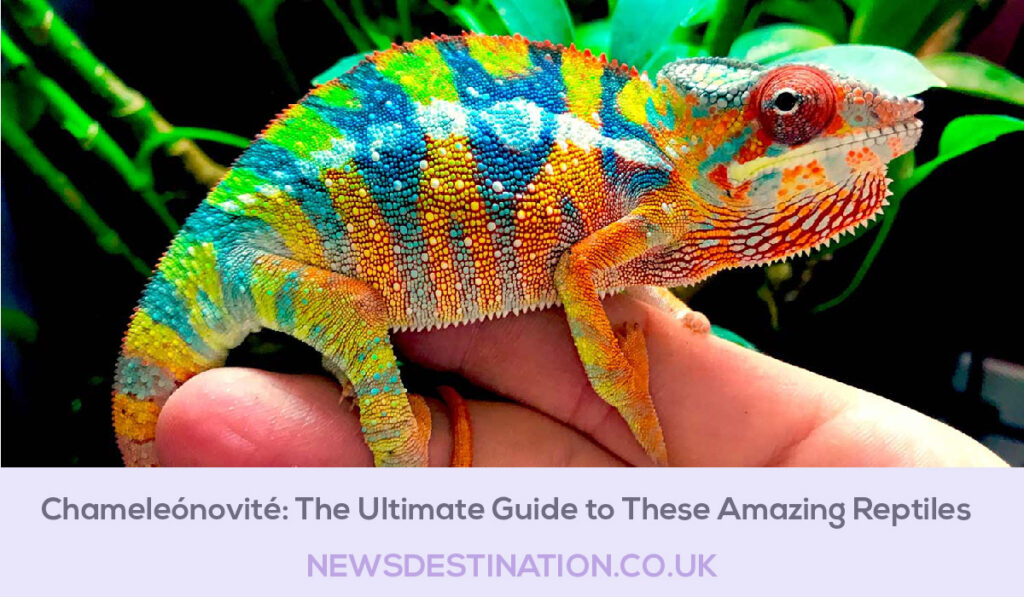
Chameleónovité are best known for their stunning ability to change color, but this is just the beginning of their extraordinary features. The color change is controlled by layers of special skin cells called chromatophores and iridophores. These cells contain pigment and light-reflecting crystals that manipulate how light hits the skin, creating different colors. Unlike popular belief, color change is not only for camouflage—it is a sophisticated form of non-verbal communication. A chameleon may turn bright green or yellow to attract a mate, or darker shades when stressed or threatened. Beyond their skin, chameleónovité possess eyes that function unlike any other animal. Each eye can move independently, giving them full 360-degree vision. This allows them to scan for predators or prey without turning their heads.
When targeting food, both eyes lock on for depth perception, enabling them to fire their tongue with pinpoint accuracy. Speaking of tongues, the projectile tongue of a chameleon is one of nature’s most efficient hunting tools. It can extend up to twice the length of the lizard’s body and hits prey with a sticky tip in just milliseconds. Their prehensile tails act as a fifth limb, allowing them to balance and climb through tree branches. Additionally, their feet are zygodactylous—two toes point forward and two backward—providing an exceptional grip for navigating the arboreal world.
Habitat and Natural Distribution
Chameleónovité are native to a range of warm environments, primarily across Africa and Madagascar, where biodiversity is richest. Madagascar alone is home to nearly half of all known chameleon species, making it a global hotspot for chameleon diversity. Other populations exist in southern Europe, the Middle East, and parts of Asia. Chameleónovité thrive in various habitats, including tropical rainforests, savannas, mountain regions, and even semi-arid scrublands.
Depending on the species, some live high in tree canopies, while others prefer low-lying bushes or forest floors. They are cold-blooded reptiles and therefore depend on their environment to regulate body temperature. During the day, they may bask in sunlight to warm up or retreat into the shade to cool down. Their unique ability to shift skin color also aids in temperature regulation—darker tones absorb more heat, while lighter colors reflect sunlight. These reptiles are deeply connected to their surroundings, and even small disruptions to their habitat can cause immense stress or population decline.
Behavior and Communication
Chameleónovité are generally solitary animals, preferring to live alone except during mating seasons. Unlike social animals, they don’t form groups or herds. Each individual maintains its own territory and may display defensive or aggressive behaviors if another chameleon enters that space. Communication among chameleónovité is almost entirely visual, with color shifts being the most expressive tool. For example, a male chameleon may display vibrant, intense colors to warn off competitors or attract females, while a female may shift her color to signal that she is not receptive to mating.
Movement is slow and deliberate, often mimicking the swaying of leaves in the wind, which adds to their camouflage. When threatened, they may inflate their bodies, open their mouths, or make soft hissing sounds to scare off predators. Their peaceful and patient nature is not a sign of weakness but rather a testament to their confidence in their natural defenses and stealth.
Diet and Hunting Strategy
The diet of chameleónovité primarily consists of live insects such as crickets, flies, grasshoppers, and beetles. Larger species may also prey on small birds, other reptiles, or even amphibians. Their hunting technique is a model of precision and efficiency. Chameleons rely on stealth, moving slowly and remaining motionless for long periods while watching their surroundings. Once they spot prey, both eyes focus forward, and the tongue launches with high velocity.
The sticky tongue tip ensures the insect has no chance of escape. In captivity, chameleónovité require a carefully managed diet that includes gut-loaded insects (insects fed nutritious food beforehand) and dusting with calcium and vitamin supplements to prevent deficiencies. Feeding them requires consistency and attention to their nutritional needs, as an improper diet is one of the leading causes of health issues in pet chameleons.
Reproduction and Lifespan
Chameleónovité reproduce either by laying eggs (oviparous) or, in fewer species, giving birth to live young (ovoviviparous). The mating process begins with visual displays—males show off bright colors and perform body posturing to attract females. After successful mating, females may lay anywhere from 10 to 50 eggs depending on species and size. These eggs are typically buried in warm soil and left to incubate for several months. Upon hatching, the baby chameleons are fully independent and start hunting immediately. Their early life is filled with challenges, as they must avoid predators and secure food on their own. The lifespan of chameleónovité varies by species and conditions. Smaller species may live 2–4 years, while larger species can live up to 10 years or more when properly cared for. In captivity, lifespan can be maximized with the right diet, lighting, and environmental enrichment.
Popular Species of Chameleónovité
Among the wide variety of chameleónovité species, a few stand out due to popularity, color, and adaptability. The Veiled Chameleon (Chamaeleo calyptratus) is one of the most commonly kept species by beginners, thanks to its hardiness and ease of care. Panther Chameleons (Furcifer pardalis) are admired for their dazzling coloration, which varies by region in Madagascar. The Jackson’s Chameleon (Trioceros jacksonii), native to East Africa, is known for its three facial horns and live-bearing nature. Pygmy Chameleons, the smallest members of the family, are ground-dwelling experts of camouflage, often mimicking dead leaves. Each of these species has unique care needs and ecological significance.
Chameleónovité as Pets
Keeping chameleónovité as pets can be a rewarding but challenging endeavor. These reptiles are not low-maintenance like some other lizard species. They require a tall, well-ventilated enclosure filled with climbing branches, live foliage, and temperature-controlled basking spots. Proper UVB lighting is essential for calcium absorption and to prevent metabolic bone disease. Humidity must also be carefully maintained based on the species’ native climate. Misting systems or drip setups are needed since chameleons drink from water droplets on leaves. Handling should be minimal, as frequent human interaction can stress them out. Chameleónovité are better suited for observation rather than play or petting. Those willing to provide the right care environment can find these creatures endlessly fascinating and deeply rewarding to keep.
Health and Common Issues
Chameleónovité are susceptible to several health concerns, especially in captivity. The most common issues include metabolic bone disease (caused by lack of UVB and calcium), dehydration (due to inadequate humidity or misting), respiratory infections (from poor ventilation or damp substrate), and parasitic infestations. Preventive care is critical. Owners must monitor environmental conditions daily, clean enclosures regularly, and ensure a balanced diet with supplements. Regular vet checkups with reptile specialists help detect and resolve problems early. A healthy chameleon displays active hunting, clear eyes, strong grip, and vivid coloration—any deviation should be addressed promptly.
Conservation Status and Threats
The survival of many chameleónovité species is threatened due to human activities. Habitat destruction through deforestation, agriculture, and urban development is the biggest threat, especially in biodiversity-rich regions like Madagascar. Illegal pet trade also plays a significant role—wild-caught chameleons often don’t survive long in captivity due to stress and improper handling. Climate change adds further pressure by altering natural temperature and humidity patterns that chameleons depend on. Conservation efforts include breeding programs, habitat protection, international trade restrictions through CITES listings, and public education campaigns. Protecting chameleónovité isn’t just about saving reptiles—it’s about preserving the delicate ecosystems they help sustain.
Chameleónovité in Science and Culture
Chameleónovité have long fascinated scientists for their biomechanics, color science, and vision. Studies on their color-changing ability have inspired breakthroughs in materials science and camouflage technologies. Their eye movement and tongue projection have been studied to develop biomimetic robots and precision-targeting systems. In culture, chameleons symbolize change, adaptability, and mystery. They’ve appeared in folklore, literature, and animated films like Disney’s “Tangled,” where Pascal the chameleon plays a charming sidekick. Their mysterious and gentle nature continues to make them icons of evolutionary ingenuity.
Fun Facts About Chameleónovité
Chameleónovité are full of surprises. Some species glow under ultraviolet light, a trait only recently discovered. Their tongue’s acceleration can exceed the G-force of a fighter jet. Unlike most animals, they can “see” ultraviolet light. Even their bones, in some species, are visible through their skin under UV. Despite their quiet nature, these reptiles are dynamic wonders of nature, constantly evolving and adapting to survive.
How to Ethically Observe Chameleons
For those interested in observing chameleónovité, ethical practices are essential. In the wild, chameleons can be seen in national parks across Madagascar, Tanzania, and Kenya. Observers should be quiet, move slowly, and never remove them from the wild. In captivity, choose only licensed breeders who raise chameleons in healthy conditions, not those captured illegally. Ethical observation supports conservation and ensures future generations can continue to marvel at these silent, colorful wonders.
Conclusion
Chameleónovité are not just reptiles; they are evolutionary masterpieces, crafted by nature to survive and thrive in complex ecosystems. From their ability to change color, their independently moving eyes, and lightning-fast tongues to their ecological significance and symbolism in human culture, these creatures command admiration. As deforestation and climate change continue to threaten their survival, it’s our responsibility to protect them. Whether viewed through the lens of science, wonder, or responsibility, chameleónovité stand as a reminder of the beauty, adaptability, and fragility of life on Earth.
FAQs
1. What are chameleónovité?
Chameleónovité are reptiles from the Chamaeleonidae family, known for their color-changing skin, independently moving eyes, and long projectile tongues. They are commonly called chameleons and live mainly in Africa, Madagascar, Asia, and southern Europe.
2. Why do chameleónovité change color?
Chameleónovité change color to communicate, regulate body temperature, and show emotions. They do not change color only for camouflage. Their skin contains special cells that reflect light to create different colors.
3. What do chameleónovité eat?
Chameleónovité mainly eat live insects like crickets, flies, grasshoppers, and beetles. Larger species may also eat small birds or lizards. They use their long, sticky tongues to catch prey from a distance.
4. Where do chameleónovité live?
Chameleónovité live in warm environments such as tropical forests, savannas, and mountain areas. Most species are found in Madagascar and Africa, while others live in Europe and parts of Asia.
5. Are chameleónovité good pets?
Chameleónovité can be kept as pets, but they require careful care. They need a tall enclosure, UVB lighting, proper humidity, and a diet of live insects. They do not like frequent handling and can become stressed easily.
For more amazing news and celebrity bios, visit Newsdestination