Introduction
Raising a puppy is one of the most enriching and heartwarming experiences for any household. It goes beyond just providing food, teaching basic obedience, or scheduling vaccinations. The true essence of puppyhood is wrapped in playful discovery, emotional bonding, and daily learning—elements that come alive through a concept known as Valplekar. This unique Swedish term not only refers to the dynamic world of “puppy play,” but it also holds a deeper significance as a surname rooted in Indian cultural heritage, particularly from regions like Maharashtra, Goa, or Karnataka. Whether you are a new dog owner trying to raise a well-rounded puppy or someone exploring the origin of their family name, understanding Valplekar in both contexts offers insight into growth, identity, and legacy. This article aims to explore Valplekar in its fullest depth—from playful puppy development to ancestral naming traditions—bridging two seemingly different worlds through one meaningful word.
What Is Valplekar?
Valplekar in Puppy Development
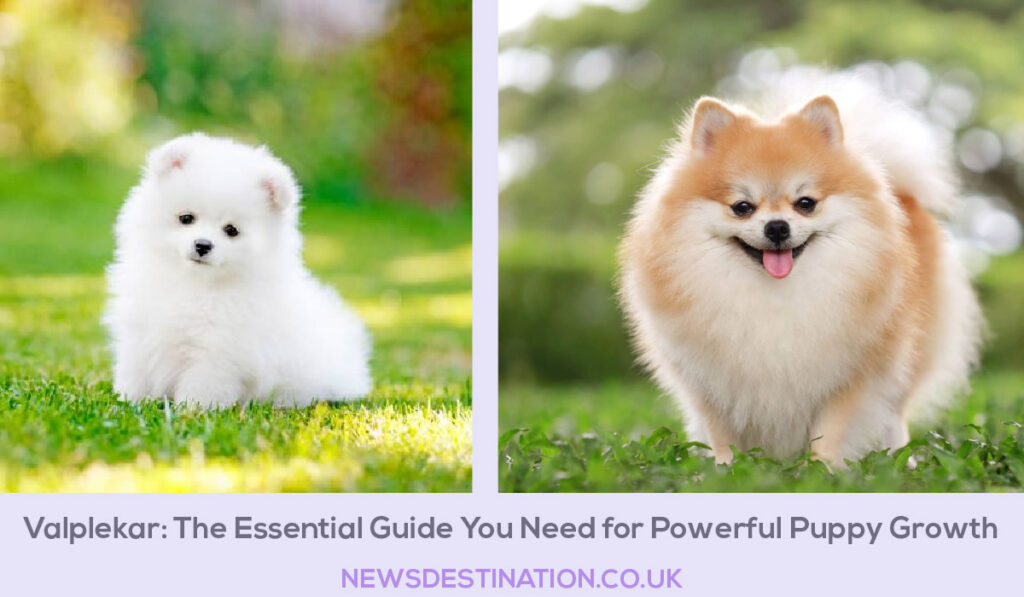
The term Valplekar originates from Swedish, where “valp” means puppy and “lekar” translates to games or play. Together, they embody the idea of structured and unstructured play that is crucial during a dog’s formative months. Valplekar isn’t merely about having fun—it’s a vital developmental phase that allows puppies to learn essential life skills. Through various forms of play, puppies develop social abilities, physical coordination, cognitive problem-solving, and emotional regulation. Structured activities like fetch or agility routines help instill discipline and focus, while unstructured free play allows the puppy to explore, experiment, and build confidence.
Valplekar as a Surname
In a completely different cultural realm, Valplekar serves as a traditional Indian surname, predominantly found in western coastal regions like Maharashtra, Goa, and Karnataka. In local languages such as Marathi and Konkani, the suffix “-kar” commonly signifies “from” or “belonging to”—used in surnames to denote the person’s place of origin. Thus, Valplekar could be interpreted as someone hailing from a village or region called Valple or a similar derivative. These types of surnames often carry historical and geographical value, linking families to land, occupation, or clan lineage.
The Importance of Puppy Play (Valplekar)
1. Socialization
Socialization is one of the core pillars of a puppy’s early life, and Valplekar provides a natural way for them to practice this. When puppies play with other dogs or interact with humans, they learn how to read body language, respond to verbal cues, and develop tolerance for handling and different environments. Early exposure to various people, sounds, textures, and situations during play helps reduce fear and anxiety as they grow. Puppies that are well-socialized through Valplekar tend to be more adaptable, confident, and better behaved in unfamiliar settings.
2. Mental Stimulation
Puppies are curious explorers by nature, and their minds are constantly developing. Mental stimulation through Valplekar involves games that challenge the brain, such as puzzle toys, hide-and-seek, and simple trick training. These types of play encourage puppies to use their senses and problem-solving skills, laying a foundation for better behavior and reducing boredom-related habits like excessive chewing or barking. Mentally stimulated puppies tend to be happier and easier to train as they mature.
3. Physical Development
Physical activity is essential for developing strong muscles, healthy joints, and good cardiovascular health in puppies. Valplekar encourages regular movement through activities like tug-of-war, running, chasing balls, or navigating mini agility courses. These games enhance coordination, reflexes, and endurance. Early physical play also teaches spatial awareness and body control, which can prevent injuries as the dog grows into adulthood.
4. Learning Boundaries and Behavior
One of the often-overlooked benefits of Valplekar is how it helps puppies learn self-discipline and appropriate behavior. During play, puppies encounter situations where they must manage impulses—like not biting too hard, not jumping excessively, or stopping when told. This is a crucial life skill that translates directly into better household behavior and social etiquette. Play becomes a safe space for puppies to understand rules and boundaries, forming the foundation for polite interactions with both humans and other animals.
Types of Puppy Play in Valplekar
Structured Play
Structured play involves games and activities guided by the owner with specific goals in mind. This could be training exercises that also incorporate fun—like teaching “sit” using treats during fetch, or reinforcing recall through a game of hide-and-seek. The benefits of structured Valplekar are immense: it sharpens obedience, strengthens the human-dog bond, and provides a sense of accomplishment for the puppy.
Unstructured Play
Unstructured play allows the puppy to take the lead. This might involve running around in a secure yard, playing with a favorite toy, or wrestling gently with another dog. It’s during unstructured Valplekar that puppies learn self-regulation and creative exploration. They become more independent thinkers and learn through trial and error, which is essential for their emotional development.
Interactive Human Play
Play that involves humans—like tug-of-war, chase, or teaching new tricks—helps puppies build trust and connection with their owners. This type of Valplekar is rich in emotional and relational value. It also offers opportunities for reinforcing good behavior using positive reinforcement methods. Engaging directly with your puppy not only makes training easier but also nurtures mutual respect and affection.
Emotional and Behavioral Benefits of Valplekar
Stress Relief and Comfort
Puppies experience anxiety and stress just like humans do, especially when exposed to new environments or changes in routine. Engaging in regular Valplekar offers them an outlet for stress, keeping them emotionally balanced. It also creates moments of joy and relaxation, which contributes to overall emotional resilience.
Better Temperament and Manners
Play teaches puppies patience, respect for others, and how to respond appropriately to various stimuli. Through Valplekar, puppies who might otherwise develop reactive or aggressive tendencies learn to control their emotions. They become more sociable, more accepting of others, and less prone to fear-based behaviors.
Stronger Bond with Owner
Time spent playing builds trust and attachment between puppy and owner. It creates shared experiences that form the bedrock of lifelong companionship. A dog that enjoys regular Valplekar with its human is more likely to follow commands, show affection, and exhibit loyalty. The bond becomes more than functional—it becomes emotional.
Origins and Etymology of the Surname “Valplekar”
The Meaning of “-kar” in Indian Surnames
In Indian surname structures, particularly in Marathi and Konkani, the suffix “-kar” denotes a connection to a place of origin. This tradition is especially common along India’s western coastline. For instance, surnames like Sawantkar or Mhapralkar mean “from Sawantwadi” and “from Mhapral” respectively. By this logic, Valplekar would have originally referred to someone from a village or hamlet called Valple or a phonetically similar name. Such surnames often began as identifiers for local tradesmen, landowners, or scholars and became hereditary over generations.
Possible Origins of “Valple”
While “Valple” may not be widely documented, it likely has roots in a small settlement or locality now absorbed into modern townships. In many regions of India, especially rural Maharashtra or Goa, old village names are preserved orally or in community records. It’s possible that Valple was the name of a place where early ancestors of the Valplekar family lived or held influence. Over time, the name became a badge of cultural and geographic heritage.
Cultural and Social Role of the Name Valplekar
Family Identity
In Indian society, surnames like Valplekar signify lineage, caste, and historical profession. They’re more than identifiers—they’re vessels of family stories, ancestral achievements, and social values. A surname carries the weight of pride and community association. For families with the Valplekar name, it becomes a reminder of their shared legacy and cultural belonging.
Community Role
Historically, surnames such as Valplekar could indicate a community role, often tied to agriculture, religious services, education, or trade. The family name may have once stood for expertise in a craft or responsibility within a local village council. Though the rigid caste implications have faded, the name still symbolizes participation in a larger social fabric.
Valplekar in Modern Times
Migration and Global Spread
As globalization expanded and families began moving abroad for education, jobs, or settlement, surnames like Valplekar started appearing across continents. From the US and UK to Canada and the Middle East, the Valplekar name can be found in diaspora communities where cultural roots remain strong. Retaining such surnames provides a sense of identity and continuity even when oceans apart.
Digital Identity and Cultural Pride
In today’s digital age, people are increasingly interested in tracing their family names and histories. Social media groups, ancestry platforms, and regional forums have made it easier for families like the Valplekars to connect and celebrate their heritage. This resurgence in cultural pride has breathed new life into traditional surnames, making them modern emblems of authenticity.
Language and Linguistic Insights
Phonetics and Structure
Linguistically, “Valplekar” carries a rhythmic structure that reflects the melodic nature of Indian languages. The name blends soft and hard consonants, making it both assertive and elegant. Its syllabic pattern lends itself to easy pronunciation while preserving cultural nuance. The “-kar” ending gives it geographical clarity, while “Valple” retains the local flavor.
Dialectical Variants
Regional dialects and oral traditions may have created variations in spelling or pronunciation over generations. In certain dialects, “Valplekar” may sound slightly different, or it might be written with minor changes like “Walplekar” or “Valpalkar,” depending on script and local pronunciation norms. These variants still preserve the root meaning and heritage.
The Role of Valplekar in Heritage Preservation
Oral Traditions and Family Stories
Surnames like Valplekar act as containers of oral history—preserving tales of migration, survival, land ownership, and societal contributions. These stories are passed down during family gatherings or rituals, reinforcing generational bonds and cultural wisdom. Even if the exact village of Valple no longer exists on a map, the surname keeps its memory alive.
Pride in Continuity
In a fast-paced world where identity can often be reduced to usernames and email handles, holding on to a traditional surname like Valplekar is an act of cultural resistance. It signals pride in one’s heritage and a desire to stay connected to roots. For many, passing the surname to future generations becomes a way of preserving history.
Conclusion
Valplekar is more than a word—it is a living thread that connects diverse themes of development, culture, identity, and heritage. As a concept in puppy development, it emphasizes the role of play in shaping a dog’s physical, emotional, and social well-being. As a surname, it carries the weight of ancestral knowledge, regional pride, and cultural continuity. Whether you’re a dog owner embracing responsible pet parenting or an individual tracing your family history, Valplekar stands as a powerful reminder that growth and identity are deeply intertwined. Understanding and honoring Valplekar—in both its meanings—can enrich our relationships, deepen our awareness, and celebrate the stories that define us.
FAQs
1. What does Valplekar mean?
Valplekar has two main meanings. In Swedish, it means “puppy play”—referring to the important activities that help puppies grow mentally, physically, and socially. In India, Valplekar is also a surname, commonly used in regions like Maharashtra and Goa, which means a person belonging to a place called Valple.
2. Why is Valplekar important for puppies?
Valplekar, or puppy play, is essential because it helps puppies learn social skills, build confidence, develop muscles, and understand boundaries. It prepares them to become healthy and well-behaved adult dogs by mixing fun with learning.
3. What is the origin of the surname Valplekar?
The surname Valplekar likely comes from western India, especially Maharashtra or Goa. In local languages like Marathi and Konkani, the “-kar” ending means “from a place”, so Valplekar means “from Valple”, a village or region that may have existed historically.
4. How does puppy play (Valplekar) help in dog training?
Puppy play (Valplekar) makes training easier by teaching puppies self-control, patience, and communication skills. Fun games like fetch or tug-of-war help puppies focus, obey commands, and trust their owners, all while getting healthy exercise.
5. Is Valplekar a common name today?
Yes, Valplekar is still used as a family name by people in India and Indian communities abroad. It serves as a symbol of regional identity, heritage, and ancestral pride, especially in families connected to traditional villages and cultures.
For more amazing news and celebrity bios, visit Newsdestination